
You compare these against your total assets to find what percentage of your assets will be used to pay those debts. They’re like financial band-aids—useful in the short term but not a long-term fix. Be mindful of interest rates; they can be higher than long-term loans.
Types of Financial Liabilities:
Liability accounts reflect what you owe to others and what you hold on others’ behalf. For small and midsize nonprofits without overly complex systems, 4-digit account numbers are usually adequate. Longer numbers can certainly be used, but that requires more keystrokes and may be harder to remember. Current and Contingent are the 2 types of liabilities from the list. Internal – It is payable to internal parties such as promoters (owners), employees etc.

Cash Application Management
The credit has a ten-year repayment period and a 5% annual financing cost. Below is a Certified Public Accountant break down of subject weightings in the FMVA® financial analyst program. As you can see there is a heavy focus on financial modeling, finance, Excel, business valuation, budgeting/forecasting, PowerPoint presentations, accounting and business strategy. On a balance sheet, liabilities are listed according to the time when the obligation is due. Liabilities must be reported according to the accepted accounting principles.

Long-term debt-to-asset ratio
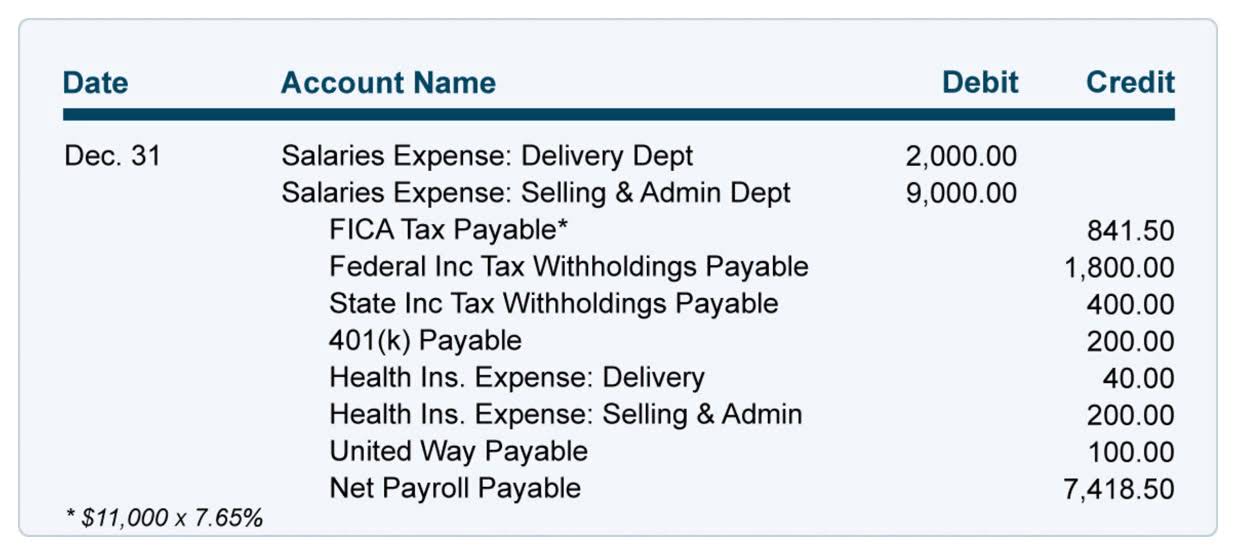
The amount payable is normally calculated by applying the relevant tax rate to the company’s taxable income after deducting, exempting, and crediting any deductions, exemptions, or credits. liabilities in accounting Long-term obligations have long repayment durations and set borrowing fees. In that case, the company must recognise the accrued salaries as a liability in the December financial statements. Liabilities are an essential aspect of bookkeeping and play an important role in determining an organisation’s financial health. They discuss an organisation’s responsibilities or obligations to various groups.

Unearned revenue represents payments received in advance for goods or services that have not yet been delivered. Customer deposits are amounts received from customers as a deposit for future goods or services. Accrued expenses are expenses that have been incurred but not yet paid. Long-term liabilities are financial obligations of a company that extends more than a year. These liabilities affect a company’s financial Travel Agency Accounting structure because they indicate the amount of debts you have acquired to finance your assets and business operations.
- When recording a transaction or journal entry in accounting software such as QuickBooks or Sage Accounting (Peachtree), one account is debited and another account is credited.
- Remember that while liabilities indicate a company’s obligations, they are just one piece of the financial puzzle.
- This account is not classified as an asset since it does not represent a long-term value.
- In this guide, we’ll cover exactly what liabilities are, how to classify them, how they show up on the balance sheet, and how to manage them at scale across your client base.
- Notes Payable – A note payable is a long-term contract to borrow money from a creditor.
- Let’s talk about what these numbers really mean for your business in everyday terms.
- This knowledge prevents those uncomfortable “insufficient funds” conversations.
- A residential mortgage is typically the largest personal liability, representing a long-term note secured by the value of the underlying real estate.
- In accounting, a liability refers to an obligation or debt owed by a business or individual.
- Long-term liabilities or non-current liabilities extend more than a year.
- This means it does not matter whether the liabilities are current or noncurrent.
- When we calculate return on equity, Company A’s is 17.1%, while Company B’s is a more impressive 24%.
- Effectively managing liabilities isn’t just about keeping track of numbers—it’s about ensuring operational stability, improving cash flow, and positioning your business for sustainable growth.
We have helped accounting teams from around the globe with month-end closing, reconciliations, journal entry management, intercompany accounting, and financial reporting. A simple guide to accounting, recordkeeping, and taxes for property management businesses. We use the long term debt ratio to figure out how much of your business is financed by long-term liabilities. If it goes up, that might mean your business is relying more and more on debts to grow. You should also reconcile each liability account by comparing the balance in your system with source documents like loan statements, payroll reports, or tax filings. This helps catch mistakes early and keeps your clients’ books clean.